Key Takeaways
- Coverage for vehicle repairs depends on the cause of the damage and the protections included in your policy, not simply the fact that repairs are needed.
- Damage resulting from accidents, theft, vandalism, severe weather, and other unexpected events is often covered when the appropriate coverage is in place.
- Routine maintenance, normal wear and tear, and age-related mechanical failures are generally considered the vehicle owner’s responsibility.
- Deductibles play a major role in repair costs, as policyholders must pay their deductible before insurance contributes to eligible claims.
- When another driver causes an accident, their insurer may be responsible for repair costs, though using your own coverage can sometimes speed up the process.
- Understanding policy exclusions can help prevent claim denials and unexpected out-of-pocket expenses after vehicle damage occurs.
- Carefully evaluating repair costs, deductibles, and potential premium increases can help determine whether filing a claim is the most cost-effective option.
Auto insurance is designed to provide financial protection when unexpected events damage your vehicle. However, many drivers are surprised to learn that not every repair bill is covered by their policy. The extent of coverage depends on several factors, including the type of insurance you carry, the cause of the damage, your policy limits, and whether you meet the requirements outlined in your insurance contract.
Understanding when auto insurance will pay for repairs and when you will need to cover costs yourself can help you avoid financial surprises. Whether you have recently been involved in an accident, experienced weather-related damage, or are simply reviewing your policy, knowing how repair coverage works can make it easier to navigate claims and make informed decisions.
This guide explains the situations where insurance typically covers repairs, the circumstances that may leave you responsible for costs, and the practical steps you can take to protect your vehicle and your finances.
How Auto Insurance Repair Coverage Works
Auto insurance is not a one-size-fits-all product. Policies are made up of different coverage options that protect against specific risks. When damage occurs, your insurer reviews the circumstances surrounding the incident and determines whether the loss falls within the terms of your policy.
The amount paid for repairs depends on factors such as deductibles, policy limits, exclusions, and the estimated cost of restoring the vehicle. Insurance companies generally only cover losses caused by events outlined in your policy. If the damage results from a situation that is excluded or not covered, the repair costs become your responsibility.
Most repair claims begin with an investigation. The insurer may request photographs, police reports, repair estimates, or other documentation before approving payment. Once the claim is approved, the insurer will either pay the repair shop directly or reimburse you based on the policy terms.
Common factors that influence repair coverage include:
- The cause of the damage
- The coverages included in your policy
- Your deductible amount
- Whether another driver was at fault
- Policy exclusions and limitations
- State-specific insurance regulations
Understanding these elements helps clarify why some repairs are covered while others are not.
What Repairs are Usually Covered by Auto Insurance?
Many drivers assume insurance covers all vehicle repairs, but coverage is generally limited to damage caused by sudden and unexpected events. If your policy includes the appropriate protection, your insurer may pay for repairs related to accidents, theft, severe weather, or vandalism.
Coverage varies by insurer and policy type, but several situations commonly qualify for repair benefits. The key is determining whether the damage resulted from a covered event rather than routine vehicle ownership expenses.
Examples of repairs commonly covered by insurance include:
- Collision damage after an accident
- Damage caused by another driver
- Vehicle repairs after theft or attempted theft
- Vandalism-related damage
- Hail, windstorm, and flood damage
- Fire-related vehicle damage
- Broken windows caused by covered incidents
- Damage from falling trees or debris
- Animal collisions
When covered damage occurs, your insurer typically pays the repair costs after subtracting your deductible, up to the limits of your policy.
What Repairs are Usually Your Responsibility?
While insurance covers many unexpected events, vehicle ownership comes with maintenance and repair responsibilities that insurance does not address. Insurance is intended for sudden losses, not predictable wear and tear.
Many repair expenses fall entirely on the vehicle owner because they result from aging components, neglect, or routine use. These repairs are considered part of normal vehicle maintenance and are not covered under standard auto insurance policies.
Common repairs drivers usually pay for themselves include:
- Brake replacement
- Tire replacement due to wear
- Oil changes
- Battery replacement due to age
- Engine tune-ups
- Worn suspension components
- Transmission maintenance
- Timing belt replacement
- Routine fluid changes
For example, if your brake pads wear out over time, insurance will not cover their replacement. However, if your brakes are damaged in a covered collision, repair costs may be covered under the applicable policy.
The distinction often comes down to whether the damage resulted from a covered event or normal vehicle use.
Does Collision Coverage Pay for Repairs After an Accident?
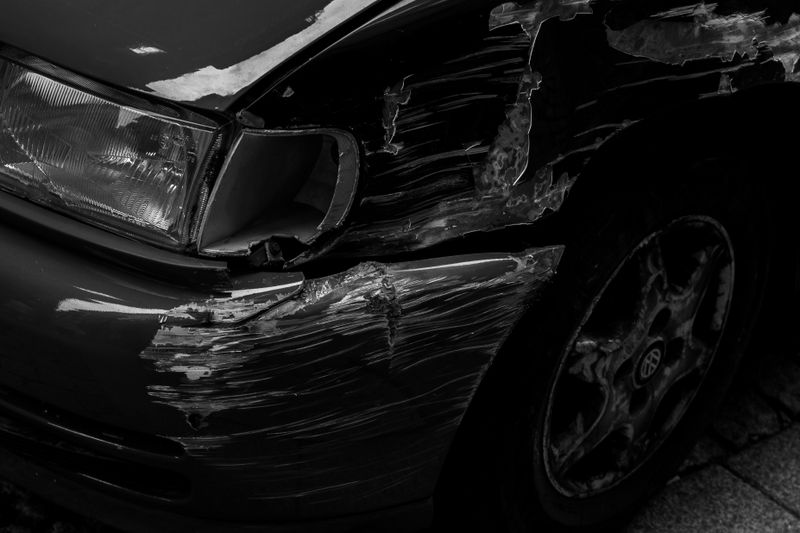
Collision coverage is one of the most common forms of protection for vehicle repairs following an accident. This coverage pays for damage to your vehicle resulting from a collision with another vehicle or object, regardless of who caused the accident.
Many lenders require collision coverage for financed vehicles because it protects the value of the car. Without collision coverage, you may have to pay significant repair expenses out of pocket after an accident.
Collision coverage typically applies when:
- You hit another vehicle
- Another vehicle hits you, and fault is unclear
- You strike a guardrail
- You hit a pole or fence
- Your vehicle rolls over
- You collide with a stationary object
For example, if you accidentally back into a concrete pillar and damage your bumper, collision coverage may pay for repairs after your deductible is applied.
However, collision coverage does not eliminate all financial responsibility. You are still responsible for:
- Paying your deductible
- Costs exceeding policy limits
- Damage excluded under your policy
Understanding your deductible is especially important because it directly affects how much you pay when filing a repair claim.
What Does Comprehensive Coverage Repair?
Comprehensive coverage protects against non-collision events that damage your vehicle. It is often referred to as coverage for “acts of nature” and other unexpected incidents beyond your control.
Many drivers choose comprehensive coverage because it protects against risks that can cause significant financial losses even when no accident occurs.
Comprehensive insurance commonly covers:
- Theft
- Vandalism
- Fire damage
- Flood damage
- Hail damage
- Falling objects
- Windstorm damage
- Animal collisions
- Civil disturbances
Imagine a tree branch falls on your parked vehicle during a storm. Because the damage was not caused by a collision, comprehensive coverage would typically apply.
Likewise, if your vehicle is vandalized or stolen, comprehensive coverage may help pay for repairs or replacement costs, subject to policy terms and deductibles.
What Happens When Another Driver Is at Fault?
When another driver causes an accident, responsibility for repairs often shifts to their insurance company. In theory, the at-fault driver’s liability insurance should pay for the damage they caused to your vehicle.
However, the process is not always straightforward. Disputes over fault, coverage limits, and claim investigations can delay repairs.
When another driver is responsible:
- Their property damage liability coverage may pay for repairs.
- You may file a claim with their insurer.
- Your own collision coverage may provide faster repair options.
- Your insurer may later seek reimbursement through subrogation.
Many drivers choose to use their own collision coverage first because it can speed up the repair process. If your insurer successfully recovers payment from the at-fault party, your deductible may eventually be refunded.
Keeping detailed documentation after an accident can strengthen your claim and reduce delays.
What If You Cause the Accident?
Causing an accident does not necessarily mean you must pay all repair costs yourself. If you carry collision coverage, your insurance may still pay to repair your vehicle.
However, liability insurance alone generally does not cover damage to your own car. Liability coverage is designed to pay for injuries and property damage suffered by others when you are at fault.
If you cause an accident:
- Collision coverage may pay for repairs to your vehicle.
- Liability insurance may pay for damage to others.
- You will likely owe your deductible.
- Premium increases may occur after the claim.
For drivers without collision coverage, repair costs become a personal expense even if insurance covers damage to the other driver’s vehicle.
This is why many vehicle owners consider collision coverage worthwhile, particularly for newer or higher-value vehicles.
Are Mechanical Failures Covered by Auto Insurance?
One of the most misunderstood areas of auto insurance involves mechanical breakdowns. In most cases, standard auto insurance policies do not cover mechanical failures.
Insurance companies generally consider mechanical problems to be maintenance-related issues rather than sudden accidental losses.
Examples of non-covered mechanical failures often include:
- Engine failure due to wear
- Transmission breakdowns
- Cooling system failures
- Electrical malfunctions from aging components
- Worn-out belts and hoses
There are exceptions. If a mechanical problem results directly from a covered event, repairs may qualify for coverage.
For example:
- An accident damages your transmission.
- Flooding destroys engine components.
- A fire causes mechanical system damage.
In these situations, the cause of the damage—not simply the damaged part itself—determines whether insurance coverage applies.
Can Insurance Cover Damage from Weather and Natural Disasters?
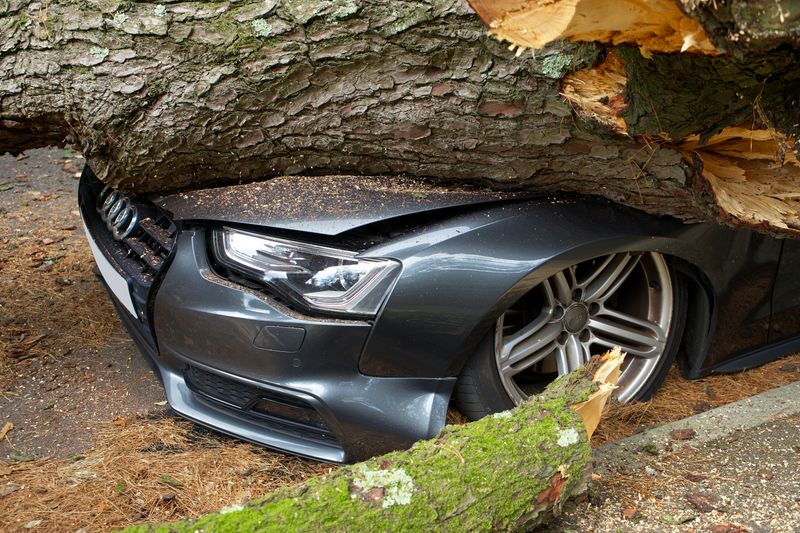
Severe weather events can cause extensive vehicle damage in a matter of minutes. Hailstorms, hurricanes, floods, and falling debris often leave drivers facing costly repair bills.
Comprehensive coverage is typically the protection that applies in these situations. Without it, weather-related repairs usually become the owner’s responsibility.
Examples of covered weather-related damage may include:
- Hail dents
- Broken windshields from debris
- Flood damage
- Lightning strikes
- Storm-related impacts
- Fallen trees
Insurance companies often see spikes in claims after major weather events, which can increase repair wait times due to high demand.
Because weather-related damage can be unpredictable, comprehensive coverage provides valuable financial protection against events that drivers cannot easily prevent.
How Deductibles Affect Repair Costs
A deductible is the amount you pay before your insurance coverage contributes toward a claim. Understanding deductibles is essential because they directly affect repair affordability.
Many policyholders select higher deductibles to lower monthly premiums. While this strategy can reduce insurance costs, it increases out-of-pocket expenses after an accident.
Consider this example:
- Repair cost: $4,000
- Deductible: $500
- Insurance payment: $3,500
In this situation, you pay the first $500 and insurance covers the remaining eligible costs.
Factors to consider when choosing a deductible:
- Your emergency savings
- Vehicle value
- Driving habits
- Financial risk tolerance
- Premium affordability
Selecting the right deductible requires balancing monthly insurance costs against potential repair expenses.
What Are the Key Steps After an Accident?
Knowing what to do immediately after an accident can significantly affect the outcome of your repair claim. Taking appropriate action helps preserve evidence, support your claim, and minimize complications.
Among the key steps involved after an accident, documentation and communication are particularly important. Insurance companies rely heavily on evidence when determining claim eligibility and repair payments.
Recommended actions include:
- Check for injuries and seek medical attention if necessary.
- Contact law enforcement when required.
- Exchange information with other drivers.
- Take photographs of vehicle damage.
- Document road and weather conditions.
- Gather witness contact information.
- Notify your insurance company promptly.
- Obtain repair estimates if requested.
Following these procedures helps establish a clear record of events and supports a smoother claims process.
How Policy Exclusions Can Leave You Paying for Repairs
Every auto insurance policy contains exclusions. These exclusions specify situations in which coverage does not apply, even if vehicle damage occurs.
Many claim denials result from policyholders misunderstanding these exclusions. Reading your policy carefully can help prevent unpleasant surprises later.
Common exclusions may include:
- Intentional vehicle damage
- Racing activities
- Commercial use without proper coverage
- Unauthorized drivers
- Damage from illegal activities
- Wear and tear
- Mechanical breakdowns
- Manufacturer defects
For instance, if an engine fails due to a manufacturing defect, the issue may be covered by a warranty rather than insurance.
Understanding exclusions allows drivers to make more informed decisions about additional coverage options.
How Different Coverages Work Together
Auto insurance policies often combine several protections that address different risks. Understanding how these coverages interact can help drivers evaluate whether they have adequate protection.
There are many types of insurance available within an auto policy, each serving a distinct purpose. While some cover damage to your vehicle, others focus on injuries or losses suffered by others.
Common coverages include:
- Liability coverage
- Collision coverage
- Comprehensive coverage
- Uninsured motorist coverage
- Underinsured motorist coverage
- Medical payments coverage
- Personal injury protection
- Rental reimbursement coverage
A well-rounded policy often combines multiple coverages to reduce financial exposure in various situations.
Reviewing your policy annually can help ensure your coverage continues to match your needs and vehicle value.
Should You File an Insurance Claim for Every Repair?
Not every repair warrants an insurance claim. In some situations, paying for repairs out of pocket may make better financial sense.
Before filing a claim, consider the following:
- Repair costs versus deductible amount
- Potential premium increases
- Claim history
- Vehicle value
- Long-term insurance costs
For example, if repairs cost $700 and your deductible is $500, filing a claim may save only a small amount. Depending on your insurer, the resulting premium increase could outweigh the short-term benefit.
Questions to ask before filing:
- Is the damage covered?
- How much is the repair estimate?
- Will filing affect future rates?
- Can I comfortably pay out of pocket?
Evaluating these factors helps determine the most cost-effective approach.
How to Reduce Out-of-Pocket Repair Expenses
While some repair costs are unavoidable, there are strategies that can help reduce financial exposure when vehicle damage occurs.
Preparation and smart insurance decisions often make a significant difference when unexpected repairs arise.
Ways to minimize repair expenses include:
- Maintain appropriate collision and comprehensive coverage.
- Review deductibles regularly.
- Build an emergency vehicle repair fund.
- Perform routine maintenance.
- Compare repair estimates.
- Use preferred repair networks when available.
- Understand policy exclusions before problems occur.
Drivers who proactively manage insurance coverage and vehicle maintenance are often better positioned to handle repair costs when unexpected events happen.
Conclusion
Auto insurance can provide valuable financial protection when your vehicle is damaged, but coverage depends heavily on the cause of the damage and the specific protections included in your policy. While collision and comprehensive coverage often pay for repairs resulting from accidents, theft, weather events, and other covered losses, routine maintenance, wear and tear, and many mechanical failures remain the responsibility of the vehicle owner.
Knowing what your policy covers, understanding deductibles and exclusions, and responding appropriately after an incident can make the claims process smoother and more predictable. By reviewing your coverage regularly and maintaining realistic expectations about what insurance will and will not pay for, you can make informed decisions that protect both your vehicle and your financial well-being.