

Accidents happen fast. One moment, everything is normal, and the next, you are dealing with confusion, stress, and a long list of decisions that need to be made quickly. In those first moments, it is easy to feel overwhelmed or unsure of what to do next.
The reality is that what you do immediately after an accident can have a lasting impact on your health, your finances, and your ability to recover losses. From medical care to vehicle repairs to insurance claims, every step matters. When you understand the process ahead of time, you can respond with confidence rather than react under pressure.
This guide walks you through what to do at each stage, helping you move from the initial impact through recovery with clarity and control.
Take Control of the Scene Immediately After an Accident

The first few minutes after an accident are critical. Your priority is safety, both for yourself and others involved. Stay as calm as possible so you can think clearly and make better decisions. If it is safe to do so, move vehicles out of traffic to reduce the risk of further collisions. Turn on your hazard lights to alert other drivers and increase visibility. Taking these immediate steps helps stabilize the situation and sets the tone for everything that follows.
Focus on Immediate Safety
- Move your vehicle out of traffic if it is safe to do so
- Turn on hazard lights
- Check for injuries
If anyone is hurt, call emergency services immediately.
Document Everything
Even if the accident seems minor, documentation is essential:
- Take photos of all vehicles involved
- Capture license plates and damage
- Photograph road conditions and traffic signs
Exchange Information
Make sure to collect:
- Driver’s license and contact details
- Insurance information
- Vehicle registration
What to Avoid
- Do not admit fault at the scene
- Avoid making assumptions about what happened
- Stick to factual observations
Taking control early helps protect you later when dealing with claims, repairs, and potential legal issues.
Get Medical Attention Quickly, Even for Minor Injuries
Not all injuries are immediately visible. In many cases, symptoms appear hours or even days later. Local urgent care services are often the best option for non-life-threatening injuries, offering faster access than emergency rooms while still providing proper evaluation.
Seeking care right away also creates a clear medical record that connects your injuries to the accident. This documentation can be important if symptoms worsen or if you need to file a claim later. Ignoring early signs or delaying treatment can make recovery more difficult and may impact your ability to prove the extent of your injuries.
Why Immediate Care Matters
- Creates a medical record tied to the accident
- Identifies hidden injuries early
- Supports any future insurance or legal claims
When to Choose Urgent Care vs Emergency Room
- Urgent care: minor injuries, soreness, mild pain
- ER: severe injuries, head trauma, difficulty breathing
Follow-Up Is Just as Important
- Attend all recommended appointments
- Keep copies of medical records and bills
- Track symptoms as they develop
Mistakes to Avoid
- Waiting too long to seek care
- Ignoring minor discomfort
- Failing to document treatment
Getting checked right away protects both your health and your ability to recover costs later.
Understand When You Need Legal Help and How to Choose It
Not every accident requires legal representation, but when it does, choosing the right help makes a significant difference. An auto accident attorney focuses specifically on vehicle-related incidents, while the best local personal best local personal injuyry attorneys often handle a broader range of injury cases. Understanding this distinction helps you find someone with the right experience for your situation.
The right attorney can guide you through complex paperwork, negotiations, and deadlines that can be difficult to manage on your own. They can also help ensure you are not pressured into accepting a settlement that does not fully cover your damages. Taking the time to choose carefully can have a lasting impact on your case’s outcome.
When Legal Help Is Necessary
- Serious injuries are involved
- Fault is disputed
- Insurance companies delay or deny claims
What to Look For
- Experience with similar cases
- Clear communication
- Transparent fee structure
Questions to Ask
- How are fees structured?
- What is your experience with cases like mine?
- What outcome can I realistically expect?
Why It Matters
The right legal support helps:
- Protect your rights
- Maximize compensation
- Handle complex negotiations
Taking the time to choose carefully ensures you are properly represented.
Know What Makes Commercial and Truck Accidents More Complex

Accidents involving large commercial vehicles are significantly more complicated than standard collisions. A semi-truck accident law attorney is often needed because these cases involve multiple parties, including drivers, companies, and insurers. There are often additional layers of liability, such as the trucking company, maintenance providers, or even manufacturers.
Regulations at both the state and federal level can also impact how these cases are handled. Because of this complexity, gathering evidence and determining fault can take more time and expertise. Acting quickly and working with the right professional helps ensure important details are not overlooked.
Why These Cases Are Different
- Federal regulations apply
- Multiple insurance policies may be involved
- Liability is often shared
Key Factors in Truck Accidents
- Driver logs and hours of service
- Vehicle maintenance records
- Company policies and procedures
Why Speed Matters
Evidence can disappear quickly. Acting fast ensures:
- Important records are preserved
- Witnesses can be contacted
- Claims are filed correctly
Higher Stakes
Truck accidents often involve:
- Greater damage
- More severe injuries
- Larger financial implications
Understanding these differences helps you respond appropriately.
Arrange Safe and Efficient Vehicle Removal from the Scene
After an accident, your vehicle may not be drivable. Getting it moved safely is the next step. Reliable tow truck services ensure your vehicle is transported without additional damage. It is important to confirm where your vehicle is being taken so you stay in control of the process.
Choosing a reputable provider helps avoid unexpected fees or complications later. Taking a few extra minutes to make the right call can prevent added stress during an already difficult situation.
Choosing the Right Tow
- Ask where the vehicle will be taken
- Confirm pricing upfront
- Avoid unsolicited tow offers
Where to Send Your Vehicle
- Trusted repair shop
- Your home
- Insurance-approved facility
Avoid Common Issues
- Signing unclear paperwork
- Allowing your vehicle to be taken to unknown locations
- Ignoring storage fees
Ask Key Questions
- What are the total costs?
- How long will the vehicle be stored?
- What are my next steps?
Making informed decisions at this stage prevents complications later.
Handle Emergency Situations for Larger Vehicles the Right Way
For commercial drivers or large vehicles, breakdowns and accidents require specialized support. A 24 hr heavy duty semi emergency roadside service is designed to handle these situations quickly and safely. These services are equipped with the tools and expertise needed to manage larger, more complex vehicles.
Quick response times are critical to reduce downtime and keep operations moving. In many cases, on-site repairs can get the vehicle back on the road without towing. Having access to the right support can make a major difference in both safety and efficiency.
Common Issues
- Tire blowouts
- Engine failure
- Electrical problems
Why Specialized Help Matters
- Larger vehicles require specific equipment
- Repairs are more complex
- Downtime is costly
What to Expect
- Rapid response times
- On-site diagnostics
- Immediate repair or stabilization
Coordination Is Key
- Communicate with dispatch
- Inform insurance providers
- Document everything
Having access to the right service minimizes delays and keeps operations moving.
Get Your Vehicle Assessed and Repaired Properly
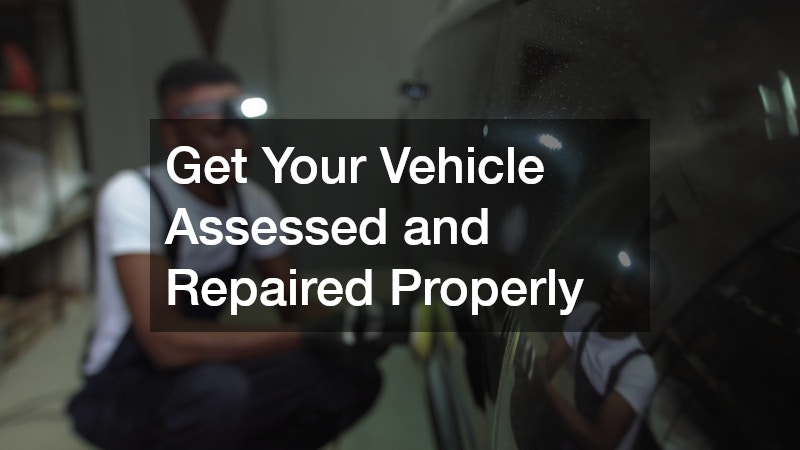
Repairing your vehicle correctly is essential for both safety and long-term value. Collision repair involves more than fixing visible damage. It ensures the vehicle is structurally sound and safe to drive.
Hidden damage can affect alignment, suspension, and overall performance if not addressed properly. Using qualified technicians and quality parts helps restore the vehicle to its original condition. Taking the time to complete repairs properly prevents future issues and protects your investment.
What a Proper Repair Includes
- Structural inspection
- Frame alignment
- Paint matching and finishing
When to Involve Additional Specialists
A brake repair shop may be necessary if:
- Braking performance is affected
- There was impact near wheels or suspension
- You notice unusual noises or handling issues
Choosing the Right Shop
- Look for certifications
- Check reviews and references
- Ask about warranties
Understand the Timeline
- Parts availability can affect delays
- Complex repairs take longer
- Communication is key
Proper repairs ensure your vehicle performs as intended.
Know Your Options for On-Site Repairs and Faster Turnaround
In some cases, repairs can be handled without towing your vehicle to a shop. Mobile truck repair services provide on-site solutions that reduce downtime. This can be especially valuable for commercial vehicles where time off the road directly impacts operations.
Technicians can often diagnose and fix common issues right where the vehicle is located. It also eliminates the added cost and hassle of arranging transportation to a repair facility. In the right situations, this approach offers a faster and more efficient path back to normal use.
When This Option Works Best
- Minor mechanical issues
- Fleet vehicles needing quick turnaround
- Situations where towing is impractical
Benefits
- Faster service
- Reduced downtime
- Convenience
Limitations
- Not all repairs can be done on-site
- Complex issues may still require a shop
Cost Considerations
- Compare service fees vs towing costs
- Factor in time savings
This approach can be a valuable alternative in the right situations.
Work Effectively with Insurance to Avoid Delays and Denials
Filing a claim correctly is one of the most important steps after an accident. Insurance agencies rely on accurate information and proper documentation to process claims. Providing complete and timely details helps prevent delays and keeps the process moving forward.
Keeping organized records of photos, reports, and receipts makes it easier to support your claim if questions arise. It is also important to follow up regularly to ensure nothing falls through the cracks. Staying proactive can help you avoid unnecessary complications and get your claim resolved more efficiently.
Steps to File a Strong Claim
- Report the accident promptly
- Provide complete documentation
- Follow all instructions carefully
Common Mistakes
- Delaying the claim
- Providing incomplete information
- Failing to follow up
Understanding Your Coverage
- Know your deductible
- Understand coverage limits
- Be aware of exclusions
When to Escalate
- Claim delays
- Disputes over coverage
- Denied claims
Clear communication and organization help keep the process moving smoothly.
Create a Post-Accident Approach That Keeps You Prepared

After everything is resolved, it is important to take what you have learned and apply it moving forward. Reflecting on the experience can help you identify what worked well and what could be improved next time. Updating your emergency contacts, insurance coverage, and documentation can make a big difference in future situations. It is also a good time to reassess your vehicle’s condition and address any lingering maintenance needs. Staying organized and prepared reduces stress if another incident occurs. Small adjustments now can lead to a much smoother response down the road.
Review What Happened
- What went well?
- What could be improved?
Update Your Coverage
- Adjust limits if needed
- Add additional protection if necessary
Stay Prepared
- Keep emergency contacts accessible
- Maintain a vehicle emergency kit
- Stay on top of maintenance
Reduce Future Risk
- Regular vehicle inspections
- Safe driving habits
- Staying informed
Being prepared makes future situations easier to handle.
Stay Prepared, Stay Protected: Taking Control After an Accident
Accidents are unpredictable, but your response does not have to be. When you understand what to do at each stage, you take control of the situation instead of letting it control you.
From the moment an accident happens to the final steps of recovery, each decision plays a role in protecting your health, your finances, and your peace of mind. By staying informed and acting quickly, you can navigate even the most stressful situations with confidence.
Preparation is the key. When you know what to expect, you are always one step ahead. Taking the time now to understand the process can make a significant difference when it matters most. Even small actions, like keeping important information accessible, can help you respond more effectively. The more prepared you are, the easier it becomes to handle challenges without added stress.