
In today’s world, having various forms of coverage is essential for protecting ourselves, our families, and our businesses from unforeseen circumstances that can arise at any moment. Life is unpredictable, and unexpected events—such as accidents, illnesses, natural disasters, or legal issues—can create significant financial strain without proper safeguards in place. This article delves into several types of insurance and coverage options that can help reduce risk while providing long-term peace of mind and financial stability. From health insurance and business protection to homeowner’s coverage, understanding how these policies work empowers individuals to make informed decisions. Being proactive about coverage ensures that you’re better prepared to handle whatever life throws your way, rather than reacting after a crisis occurs.
Providing Health Coverage
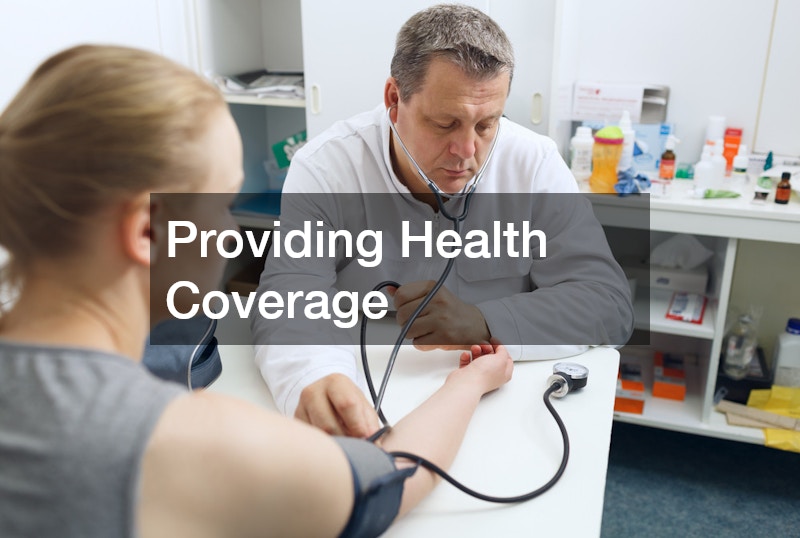
Health insurance is a critical component of maintaining both personal and family health, serving as a foundation for accessing quality medical care when it is needed most. With medical costs continuing to rise year after year, having a comprehensive health insurance plan can protect individuals from overwhelming expenses caused by unexpected illnesses, injuries, or long-term conditions. Without coverage, even routine medical visits can quickly become financially burdensome. Selecting a plan that covers essential services, including regular checkups, prescriptions, and visits to a pediatrician, ensures that every member of the family receives appropriate and timely care.
Many individuals underestimate the value of preventive care services when evaluating health insurance options. Preventive care—including screenings, vaccinations, and wellness visits—plays a vital role in identifying potential health issues before they become serious or costly. Early detection often leads to more effective treatment and significantly reduces long-term medical expenses. Health insurance plans that emphasize preventive care are especially beneficial for families with children, who may require frequent pediatric visits as they grow and develop.
It is also important to fully understand the details of different health insurance plans before making a selection. Factors such as provider networks, deductibles, copayments, and out-of-pocket maximums can vary widely between plans. Taking the time to review these elements allows individuals to choose coverage that aligns with both their medical needs and financial situation. Thoughtful health insurance planning not only supports routine healthcare needs but also provides vital protection during emergencies or critical medical situations.
Adding Business Coverage
Business insurance is a fundamental necessity for any company looking to protect itself from potential financial losses and operational disruptions. Whether operating a small startup or managing a large, established organization, businesses face a wide range of risks that can threaten their long-term success. Accidents, legal claims, property damage, or unexpected shutdowns can all have serious financial consequences. Adequate business insurance helps minimize these risks, allowing owners and employees to focus on growth, productivity, and innovation rather than constant uncertainty.
Beyond covering physical damage or liability claims, business insurance can extend to less obvious but equally important concerns. Coverage may include protection against lawsuits, employee-related claims, cyber threats, and intellectual property theft. Since each industry faces unique challenges and exposures, businesses must tailor their insurance policies accordingly. Conducting thorough research and consulting with insurance professionals can help ensure that coverage aligns with the specific risks associated with a company’s operations.
For businesses that rely heavily on tools or machinery, using an equipment rental service can be a practical and cost-effective solution. Renting equipment reduces upfront expenses and eliminates maintenance responsibilities, making it especially appealing for short-term or specialized projects. Business insurance can be structured to cover rented equipment as well, protecting companies from loss or damage even when the assets are not owned outright. This flexibility allows businesses to operate efficiently while maintaining financial protection.
Considering Homeowner’s Insurance
Homeowner’s insurance is not only a smart financial safeguard but also a common requirement imposed by mortgage lenders. When homeowners consider the idea of “ sell my house,” having comprehensive insurance coverage in place can contribute to both property value and buyer confidence. Homeowner’s insurance protects against a wide range of potential risks, including fire, storms, theft, and certain natural disasters. This protection ensures that homeowners are not left facing significant repair or replacement costs after unexpected events.
Choosing the right homeowner’s insurance policy requires a careful evaluation of the property’s value and an understanding of the specific risks associated with its location. For example, homes located in flood zones or earthquake-prone areas may require additional or specialized coverage beyond standard policies. Reviewing policy limits, deductibles, and exclusions helps homeowners avoid coverage gaps that could become costly in the future.
When preparing to sell a home, adequate insurance coverage can be a reassuring factor for potential buyers. Reviewing and updating an existing policy before listing a property can highlight responsible ownership and demonstrate that the home has been well protected. Addressing any gaps or upgrading coverage where necessary may enhance the home’s appeal. Ultimately, the sense of security provided by solid homeowner’s insurance can play a meaningful role in a buyer’s decision-making process.
Safeguarding Your Child’s Health

Children require specialized healthcare services that health insurance should cover adequately. Regular visits to a pediatrician are not only essential for ongoing health monitoring but also for vaccinations and developmental milestones. A good insurance plan ensures that these services are affordable and accessible when needed.
Pediatric care goes beyond regular check-ups and can sometimes involve unexpected medical treatments. Being prepared for such situations with comprehensive health insurance allows parents to focus on children’s well-being rather than financial burdens. A reliable pediatric healthcare provider paired with sufficient coverage can mitigate stress during challenging times.
Parents should also consider the importance of having coverage for pediatric emergencies. From minor injuries to more serious conditions, knowing that your health insurance will cover essential pediatric services provides peace of mind. A plan that offers extensive network choices for quality pediatric care is paramount for a child’s ongoing health and safety.
Outsourcing Medical Bills
Medical billing outsourcing is an increasingly popular option for healthcare providers who want to focus on patient care rather than administrative burdens. This practice allows for more efficient processing of insurance claims and collections, leading to enhanced revenue cycles. By using professional billing services from medical billing outsourcing firms, healthcare providers can ensure that billing is handled with accuracy and compliance.
Service providers within the medical field can benefit from outsourcing medical billing as it reduces operational costs. Rather than maintaining an in-house billing department, healthcare businesses can reallocate resources to enhance patient services. Outsourcing these tasks allows them to leverage the expertise of specialized firms.
The benefits of medical billing outsourcing extend to better data management and reduced risk of errors. As medical coding updates frequently, experts in outsourcing companies stay up-to-date with all changes, minimizing claim rejections or delays. This, in turn, improves cash flow for healthcare providers and enhances overall operational efficiency.
Contributing to Pet Healthcare
The importance of pet healthcare is gaining traction, and aspects such as pet medical transportation are vital for ensuring pets receive timely care. For many pet owners, having access to services that can transport injured or critically ill pets to animal hospitals is reassuring. Being able to rely on pet transportation services means that pets can receive critical care when every minute counts.
Besides basic pet care, being proactive about potential emergencies with services like pet medical transportation is part of responsible pet ownership. These services ensure that pets can be safely transported during crises, which could significantly influence treatment outcomes. Planning for pet health emergencies is increasingly becoming a part of comprehensive pet health coverage.
Choosing pet health insurance that covers not just veterinary visits but also emergency transportation reflects smart planning. Such policies provide broader safety nets against unforeseen events, much like insurance does for humans. Pet medical transportation, paired with insurance coverage, ensures a holistic approach to pet healthcare management.
Insuring Your Business Equipment

For many companies, the equipment they use is critical to their operations. Businesses that rely on equipment rental should consider insurance as a protective measure. Having business insurance that covers equipment saves companies from potentially crippling losses should an accident or theft occur.
Ensuring equipment is pivotal in retaining consistency in operations. Insurance for rented equipment covers repair or replacement costs, helping businesses keep downtime to a minimum. This proactive step allows businesses to focus on their core activities rather than worrying about unexpected technical setbacks.
A business owner’s responsibility includes careful risk management, part of which is insuring assets like equipment. By incorporating coverage into their insurance plan, businesses maximize longevity and stability. Equipment insurance becomes a necessary investment to shield business operations from unforeseen disruptions.
Supporting Your Business Liability
Business liability insurance is essential for enterprises to protect against possible lawsuits and claims. This is particularly true for industries that require substantial dealings with clients, such as those dealing with landscape supplies. Liability programs ensure companies are not financially burdened by potential legal costs or settlements.
With liability coverage, businesses dealing with physical products like landscape supplies can conduct operations more confidently. These insurances cover injuries or damages connected to business activities involving the public or other third parties. By investing in liability insurance, these businesses protect their capital and reputation from possible legal issues.
Choosing the right liability coverage depends on understanding the specific risks inherent to a given industry. A company handling products like landscape supplies must assess potential liabilities related to their specific operations. Crafting a precise insurance plan provides peace of mind and allows a business to grow with reduced risk.
Selling Real Estate Insurance
Working with local manufactured home sellers provides unique opportunities and challenges in the real estate sector. Real estate insurance is a crucial part of property dealings that can protect both buyers and sellers. This type of insurance covers issues like title defects or disputes, which can arise even years after a property is sold.
Engaging with local manufactured home sellers offers the chance to address community-based queries effectively. Insurance in the real estate context enhances credibility, showing that the seller is committed to transparency and long-term security. Sellers who offer such reassurances will likely draw more potential buyers to the table.
Understanding the kinds of real estate insurance appropriate for manufactured homes can differentiate sellers. As these homes often have unique structures, potential buyers can be apprehensive about unknown risks. Insurance thus becomes a coveted asset in making seamless and confident sales in this sector.
Funding Home Repairs
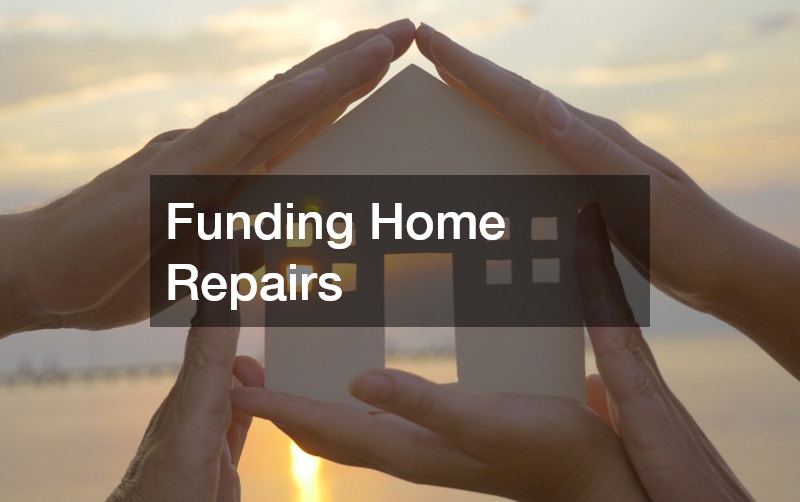
Maintaining a home is a continuous responsibility that can involve unexpected costs, such as those associated with a foundation repair service. Having a readiness plan in terms of funding home repairs reduces stress when major defects appear. Homeowner’s insurance can sometimes cover specific repair types, but having a separate repair fund is still advised.
Integrating an insurance plan that incorporates home repair coverage can offer additional peace of mind. Some policies accommodate repairs like plumbing or structural faults, which minimizes financial stress for homeowners. When significant repairs are needed, having a trusted foundation repair service lined up is vital for swiftly resolving issues.
Homeowners should proactively investigate their insurance policies to know what is covered regarding home repairs. Partnering with services that offer comprehensive solutions like foundation repairs ensures swift problem resolution. Foundation repairs are essential for maintaining a home’s stability and value, reflecting the critical nature of this aspect of home ownership.
In conclusion, navigating the wide range of available coverage options is a critical step in protecting against the many uncertainties that life and business can present. Unexpected events—such as health emergencies, property damage, or operational disruptions—can have lasting financial and emotional impacts without the proper safeguards in place. By taking the time to understand different insurance options, individuals and organizations can make informed decisions that reduce risk and enhance long-term stability.
Whether through comprehensive health insurance, reliable business insurance, or specialized coverage for equipment and assets, having the right protection in place allows both individuals and businesses to function with greater confidence and peace of mind. These protections not only provide financial support during challenging situations but also enable proactive planning and smoother recovery when issues arise. Ultimately, balancing coverage across health, property, and business needs creates a well-rounded, strategic approach to protecting what matters most—both now and in the future.